
-
4 Core EN 18031 Cybersecurity Requirements for EV Charging Gateways
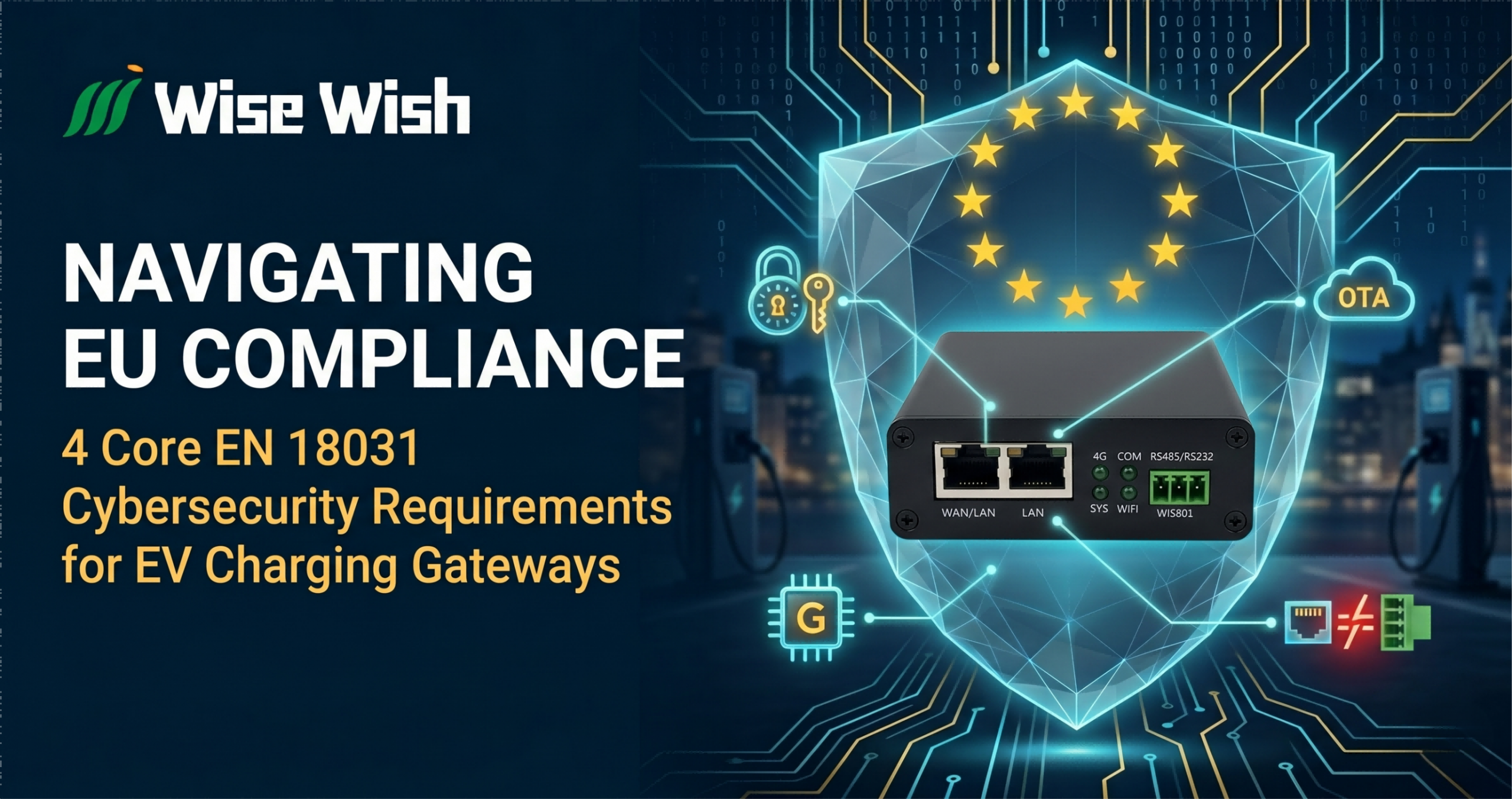
As the deployment of electric vehicle (EV) infrastructure accelerates across Europe, the security of charging networks has evolved from an “industry discussion” into a “national strategy” focus. The EU Radio Equipment Directive (RED) and the upcoming Cyber Resilience Act (CRA) make one thing clear: cybersecurity compliance is no longer optional; it is a strict prerequisite…
-
Edge Computing & Bandwidth Control in OCPP Gateways
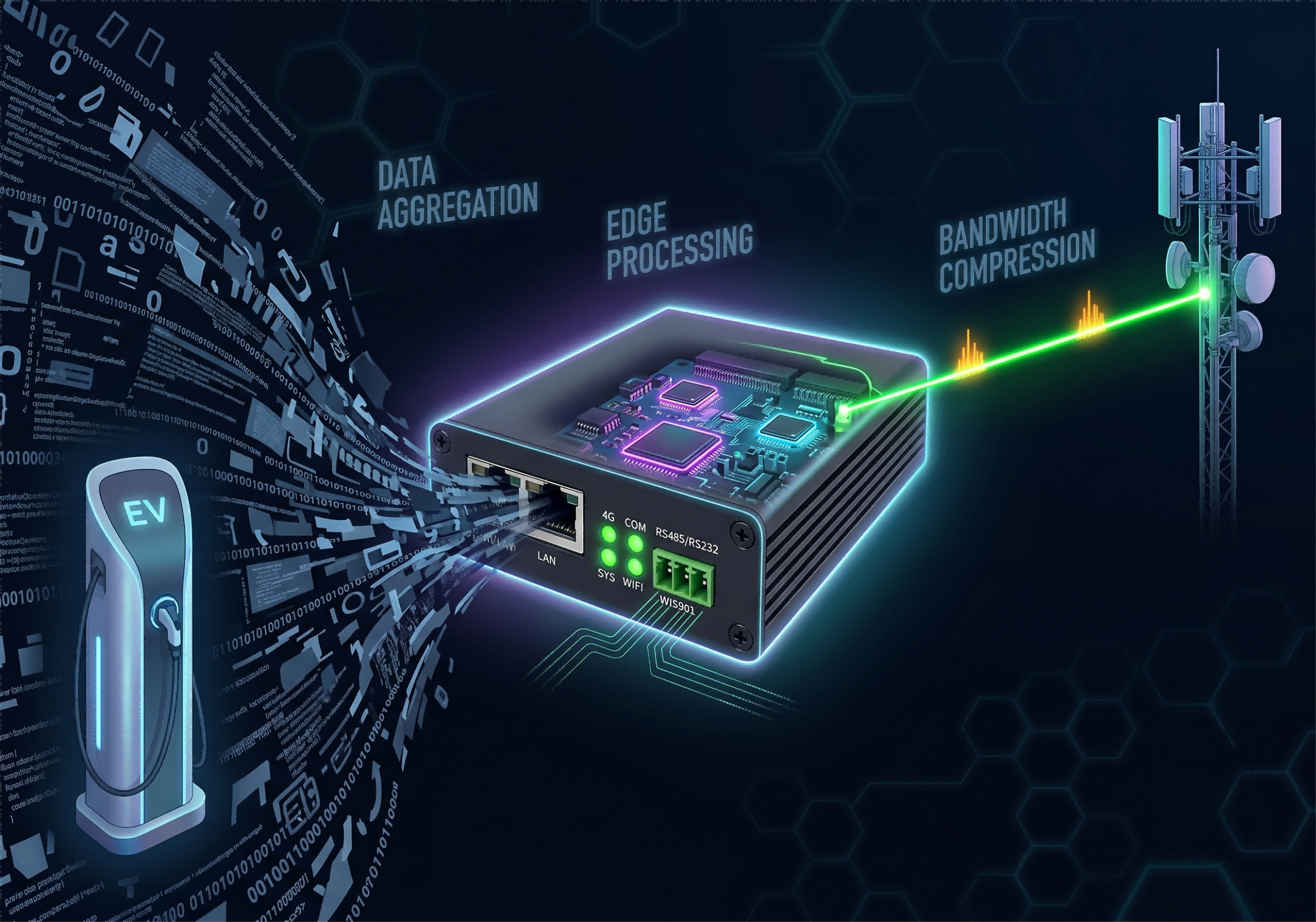
Industry Challenge: How to Achieve High-Frequency Telemetry over Cellular Networks Without Traffic Costs Spiraling Out of Control? As charging infrastructure moves towards refined operations and maintenance (O&M), Charge Point Operators (CPOs) increasingly want to acquire high-frequency electrical data and critical component health statuses from devices to achieve predictive maintenance. However, the vast majority of outdoor…
-
How Can IoT Devices Exported to Europe Pass the Latest Cybersecurity Certifications
With the explosive growth of Internet of Things (IoT) technology worldwide, devices in industrial automation, smart warehousing, and new energy networking bring great convenience, but also face increasingly severe cybersecurity threats. As one of the most stringently regulated regions globally, the European market has recently introduced a series of mandatory regulations targeting IoT device security.…
-
Preventing Attack Surface Expansion: An Analysis of the “Secure Pass-through O&M” Architecture in OCPP Gateways
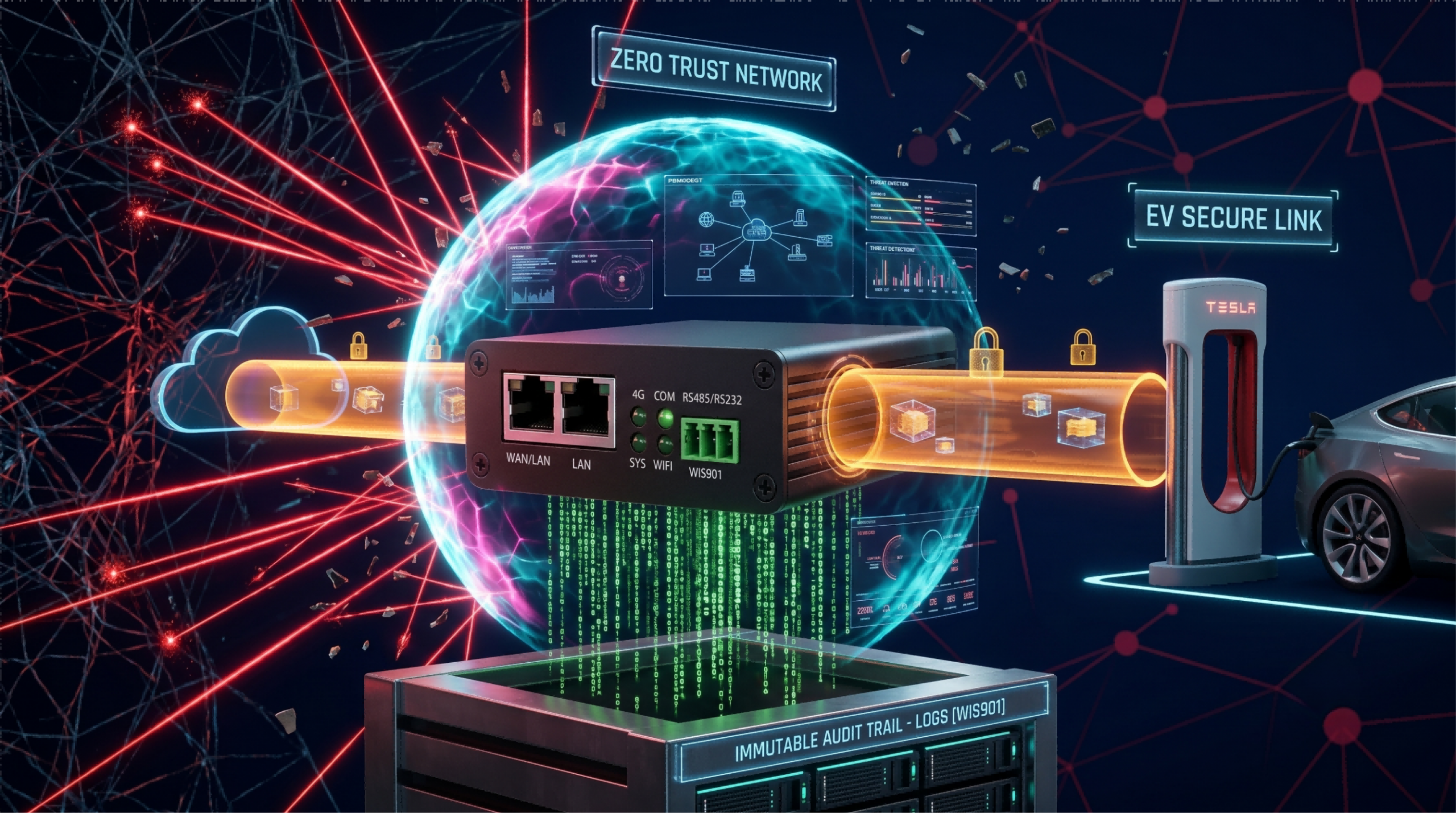
The “Secure Pass-through O&M” mechanism of edge gateways completely abandons traditional public port exposure by establishing an on-demand, mutually authenticated TLS encrypted tunnel on an independent Health Channel and implementing whitelisted command controls. This not only achieves network and process-level isolation of business and O&M streams but also builds the core cybersecurity defense line against…
-
How to Connect Modbus RTU/TCP EV Chargers to OCPP 1.6 Central System
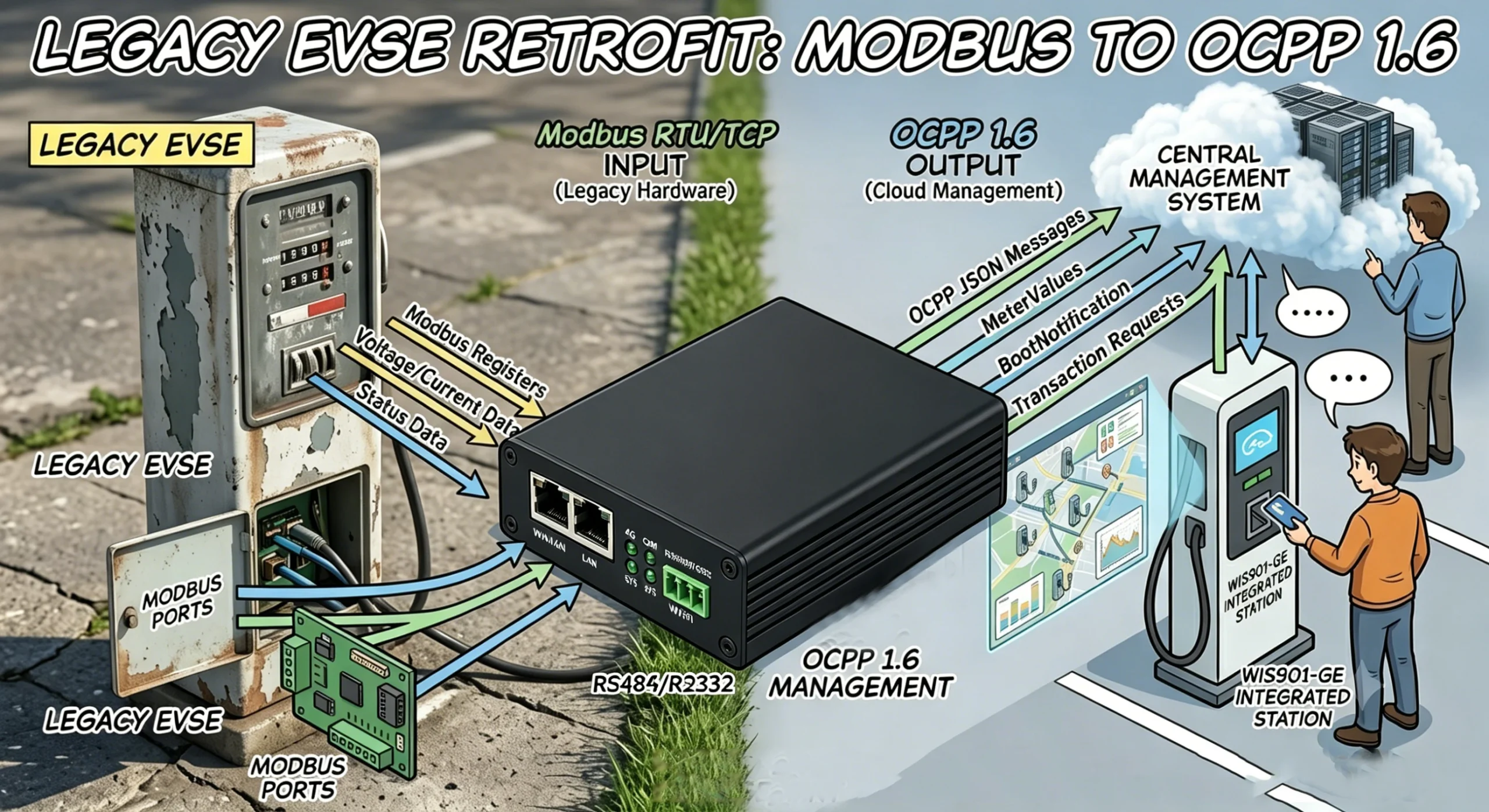
The global expansion of EV charging networks has made OCPP 1.6 (Open Charge Point Protocol) the mandatory standard for cloud management, billing, and load balancing. However, operators and charge point owners frequently face a massive hurdle: millions of deployed legacy EV chargers, power meters, and locking controllers communicate solely via traditional industrial protocols like Modbus…
-
4G Gateways for EV Chargers and Smart Lockers
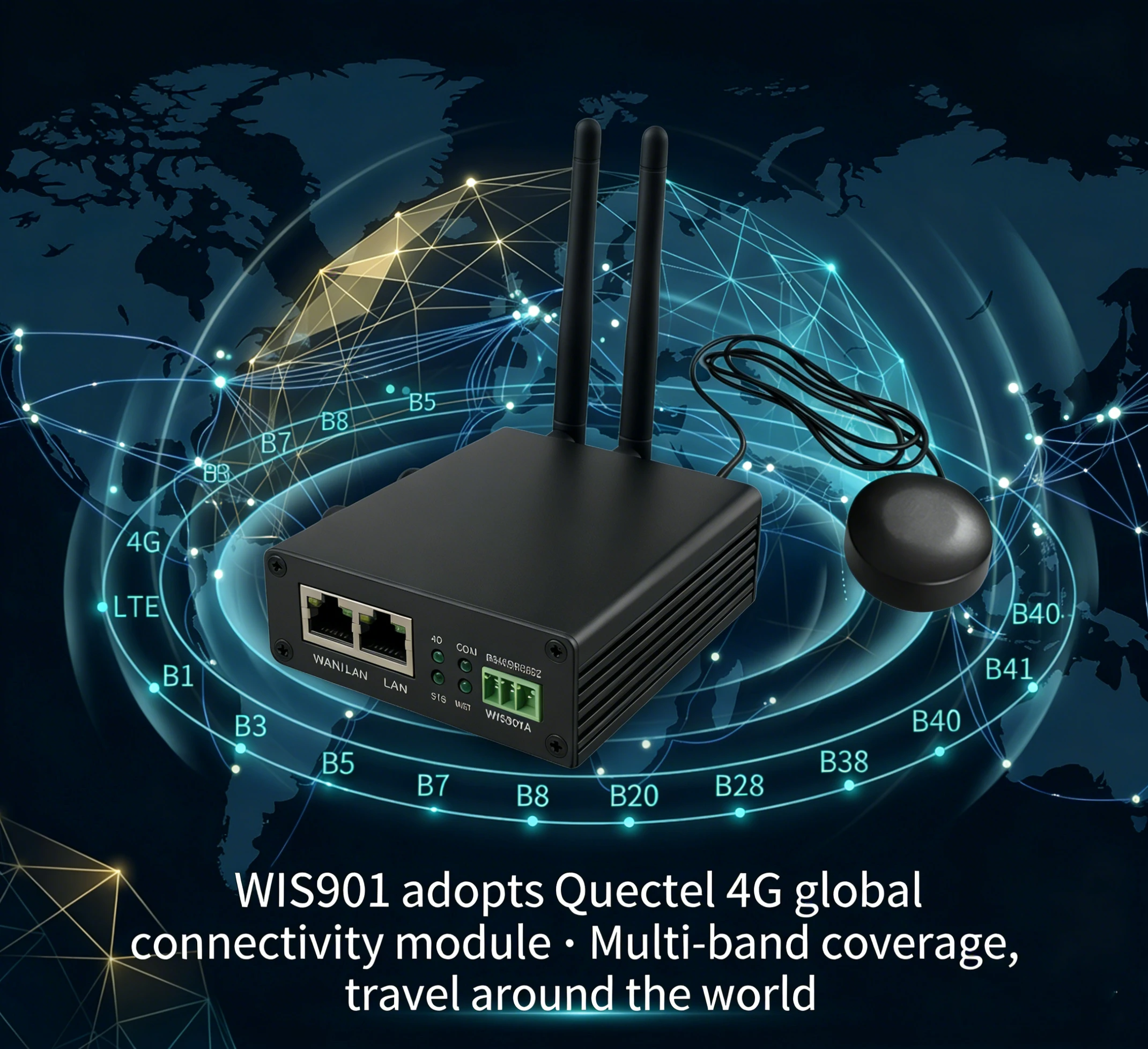
As Smart Cities and the Industrial Internet of Things (IIoT) expand rapidly, system integrators and equipment manufacturers face a critical challenge: ensuring reliable, continuous machine-to-machine (M2M) communication in unattended, harsh outdoor environments. Whether it is processing a payment at an EV charging station or updating the availability status of a smart locker, a stable network…
-
Navigating EVSE Cybersecurity Regulations: Upgrading Legacy Infrastructure Without “Rip and Replace”
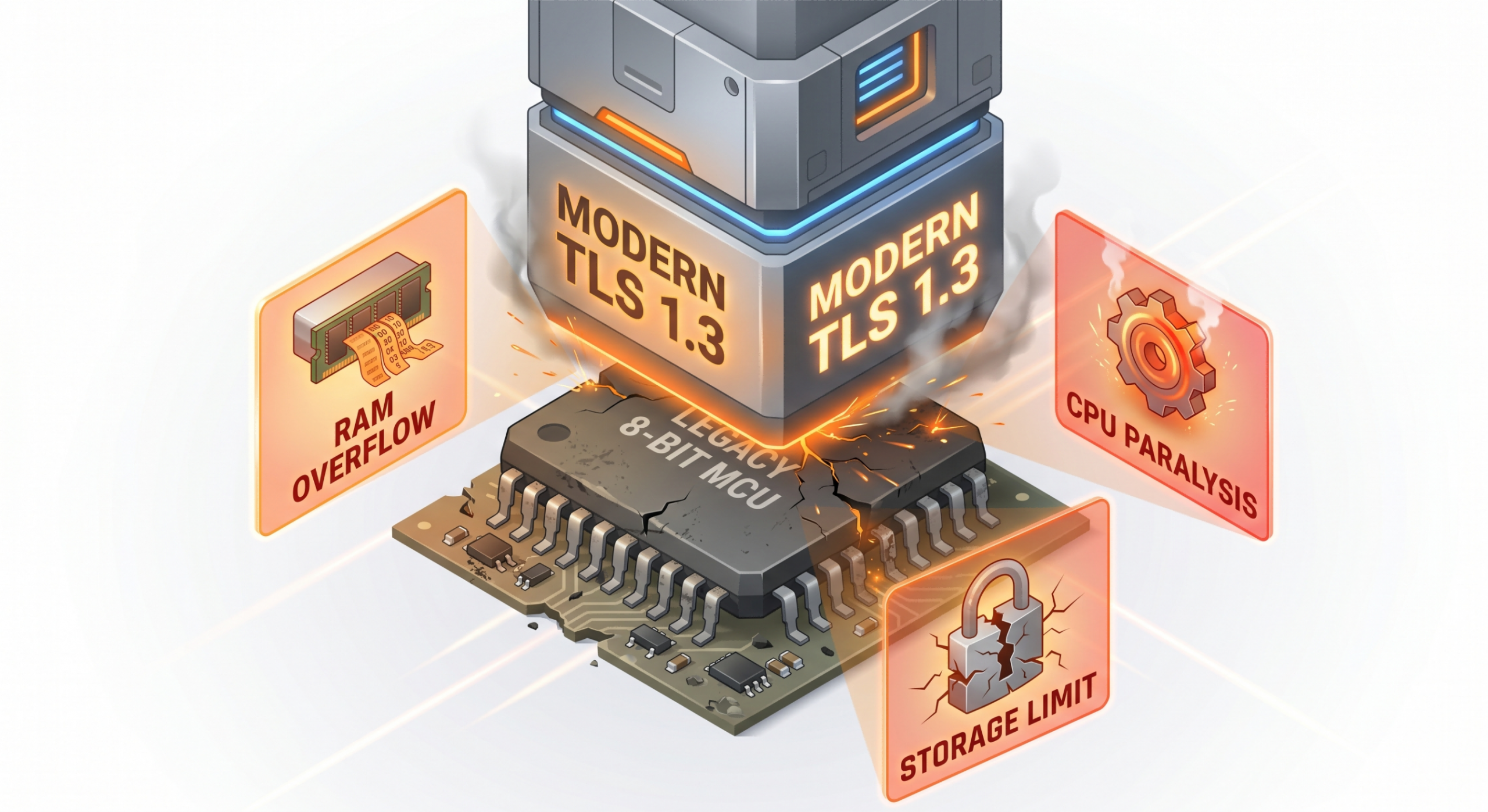
Securing Legacy EV Charging Networks: Achieving Global Cybersecurity Compliance Without Hardware Replacement As the global Electric Vehicle (EV) market expands rapidly, Electric Vehicle Supply Equipment (EVSE) has become critical national infrastructure. However, this rapid expansion masks a severe reality: there is a vast global inventory of existing charging stations, predominantly operating on early Open Charge…
-
Application of Security Update Mechanism SUM in 4G Wireless Routers

Application of Security Update Mechanism SUM in 4G Wireless Routers The Secure Update Mechanism (SUM) is a system and process that ensures device software can securely and reliably receive and install updates. The core of this mechanism is to ensure that these update packages are genuine, untampered, and can be efficiently installed. ▶ The SUM…
-
Modbus Protocol Gateway Enables Resilient Smart EV Charging Architecture
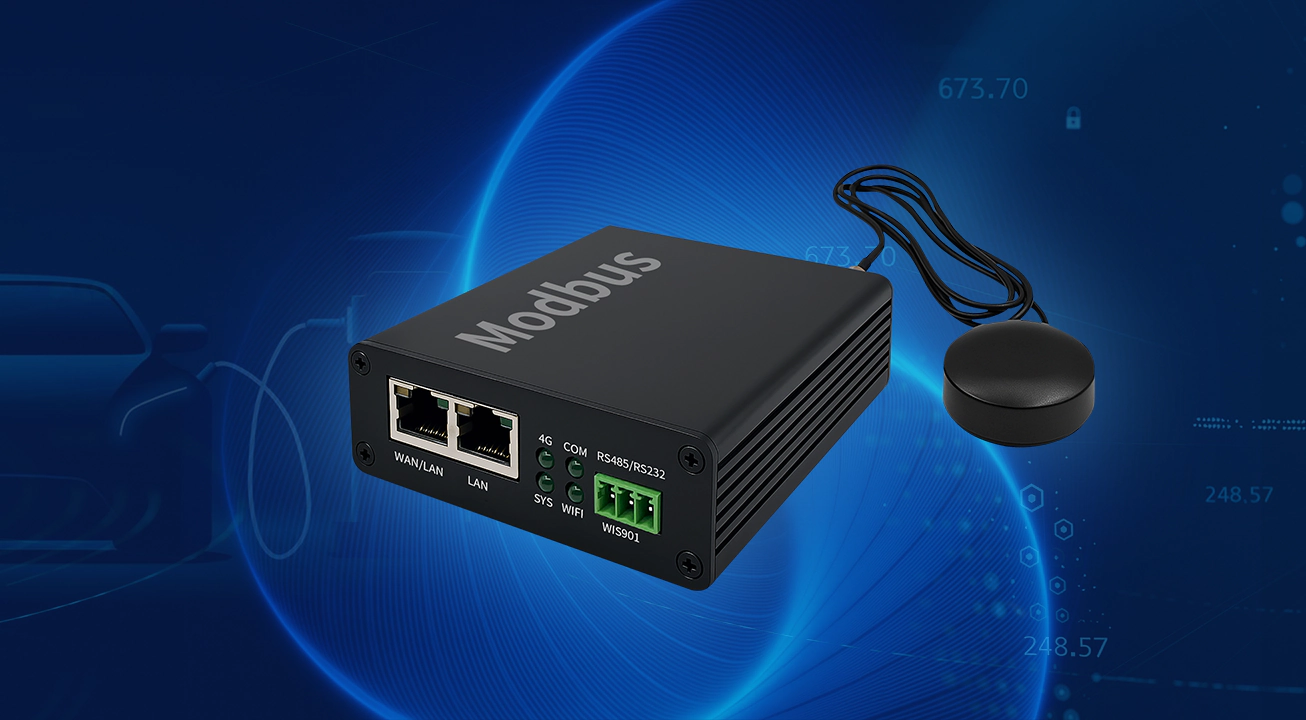
Modbus Protocol Gateway Enables Resilient Smart EV Charging Architecture Summary The integration of EV charging requires a hybrid communication architecture that leverages the distinct strengths of Modbus and OCPP. This model uses Modbus as the resilient “field layer” protocol for real-time, local data acquisition from on-site energy assets, operating independently of internet connectivity. Concurrently, OCPP serves as…
-
Application of EN18031 Deletion Mechanism (DLM) in 4G Wireless Routers

Application of EN18031 Deletion Mechanism (DLM) in 4G Wireless Routers EN 18031 Deletion Mechanism (DLM) Overview The Deletion Mechanism (DLM) is a critical security function designed to ensure that personal data and sensitive security parameters stored on radio equipment can be deleted by the user, thereby preventing the risk of data leakage during equipment disposal or replacement. The Deletion Mechanism…