
-
Modbus Protocol Gateway Enables Resilient Smart EV Charging Architecture
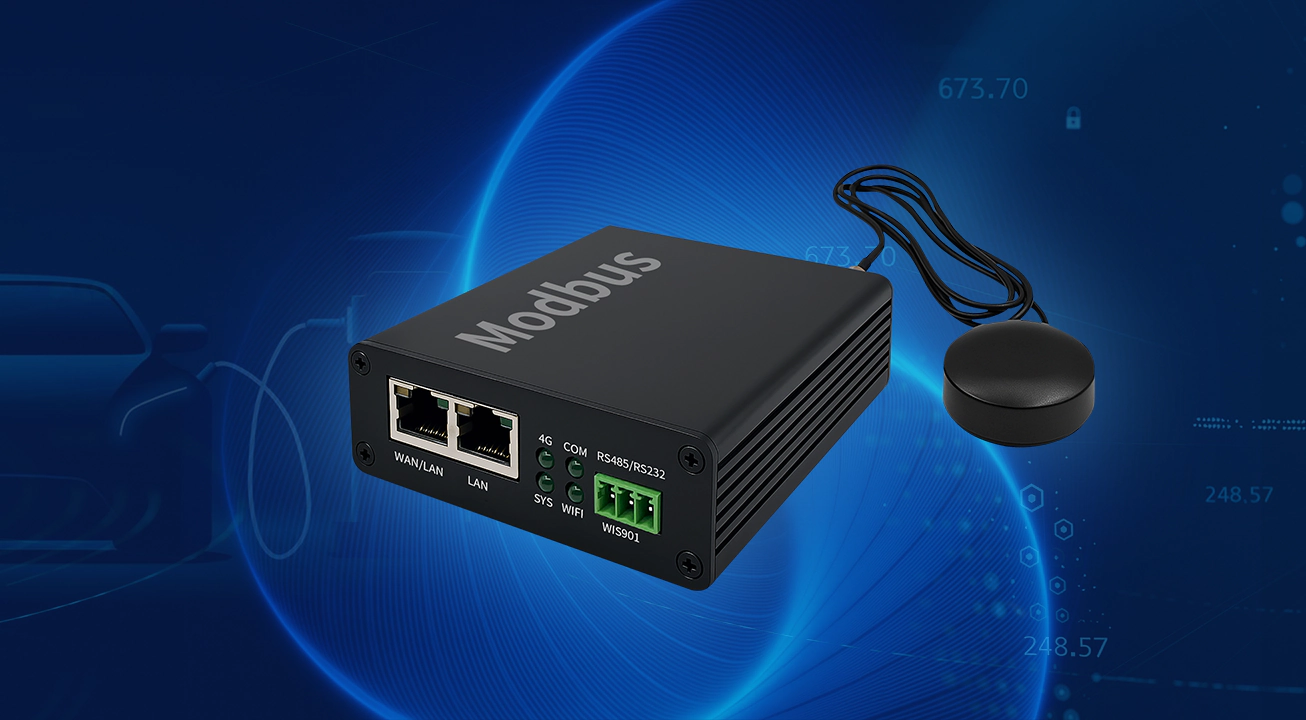
Modbus Protocol Gateway Enables Resilient Smart EV Charging Architecture Summary The integration of EV charging requires a hybrid communication architecture that leverages the distinct strengths of Modbus and OCPP. This model uses Modbus as the resilient “field layer” protocol for real-time, local data acquisition from on-site energy assets, operating independently of internet connectivity. Concurrently, OCPP serves as…
-
Application of EN18031 Deletion Mechanism (DLM) in 4G Wireless Routers

Application of EN18031 Deletion Mechanism (DLM) in 4G Wireless Routers EN 18031 Deletion Mechanism (DLM) Overview The Deletion Mechanism (DLM) is a critical security function designed to ensure that personal data and sensitive security parameters stored on radio equipment can be deleted by the user, thereby preventing the risk of data leakage during equipment disposal or replacement. The Deletion Mechanism…
-
EN 18031 Certification Will Change The EU EV Chargers Landscape

EN 18031 Certification Will Change The EU EV Chargers Landscape All EV chargers entering the EU market after August 2025—so long as they are equipped with wireless communication functions such as Wi-Fi, Bluetooth, NFC, RFID, or cellular connectivity—must comply with the new EN 18031 regulations. Compliance is an essential prerequisite for meeting the EU’s mandatory requirements regarding cybersecurity,…
-
Protocol Conversion 4G Industrial Gateway

Protocol Conversion 4G Industrial Gateway A protocol conversion 4G industrial gateway is a vital device for modern industrial automation and IoT environments. This gateway bridges diverse devices with different communication protocols, enabling seamless data transfer and remote management over robust 4G networks. By integrating various industrial standards with wireless connectivity, Our WIS901 gateway solves the long-standing…
-
Application of EN18031 Logging Mechanism (LGM) in 4G Wireless Routers

Application of EN18031 Logging Mechanism (LGM) in 4G Wireless Routers EN18031 Logging Mechanism (LGM) Overview The Logging mechanism (LGM) is an equipment functionality to log internal activities, specifically those internal activities (events) that are relevant to privacy assets and their protection. Its primary purpose is to provide event information to help identify, for example, potential unusual equipment behaviour,…
-
Difference Analysis of Japanese OCPP Protocol Gateway
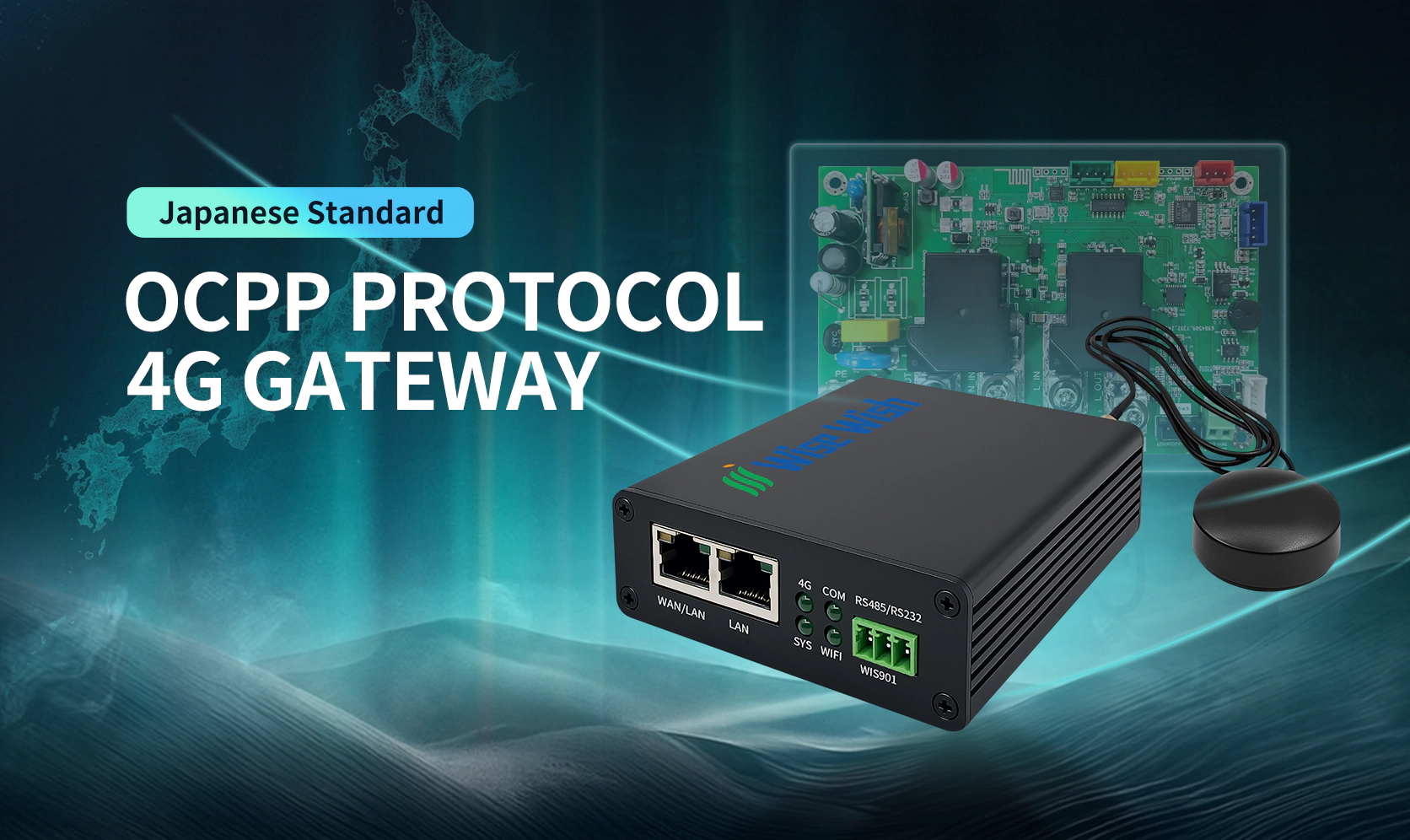
Difference Analysis of Japanese OCPP Protocol Gateway In the global electric vehicle (EV) charging industry, the OCPP protocol 4G gateway has become a vital standard for connecting charging stations with cloud management systems. However, due to differences in regional communication environments and technical standards, the Japanese version of the OCPP protocol gateway and the standard…
-
Impact of OCPP Protocol 4G Gateway on System Latency
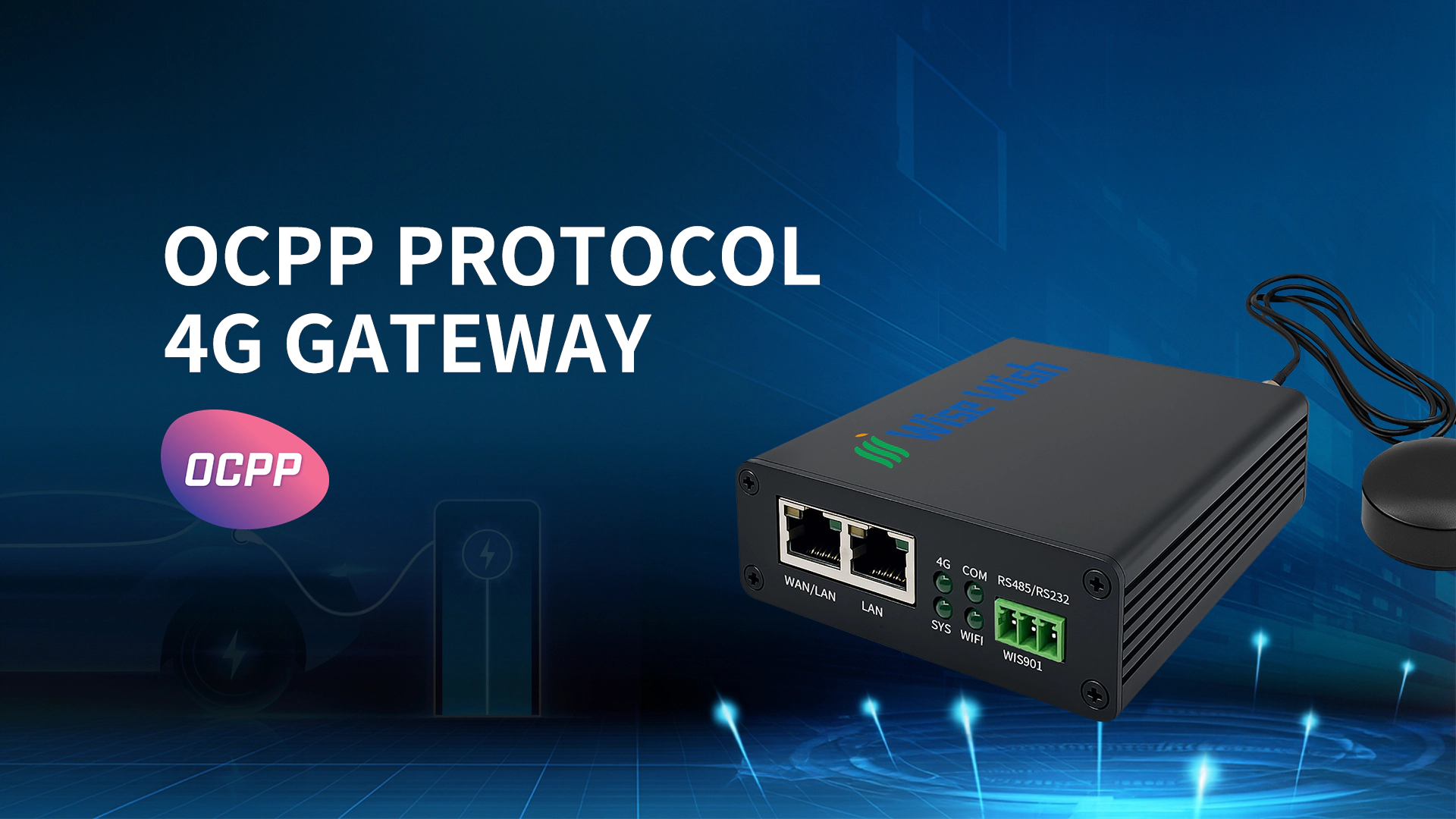
Impact of OCPP Protocol 4G Gateway on System Latency With the large-scale deployment of charging stations and related energy IoT devices, achieving efficient and stable data communication and management in diverse scenarios has become a crucial foundation for operations and service innovation. OCPP (Open Charge Point Protocol), as a globally mainstream charging station communication protocol,…
-
Remote Upgrade: Hardware and Platform Dual Perspectives

Remote Upgrade: Hardware and Platform Dual Perspectives With the rapid development of IoT and smart device technology, Over-the-Air (OTA) remote upgrade capability has become a standard feature of modern smart devices. Remote upgrades not only fix system vulnerabilities and improve performance, but also add new functions, significantly reducing device maintenance costs.To achieve secure and reliable remote upgrades,…
-
EU Radio Equipment Directive (RED) New Cybersecurity Regulations

EU Radio Equipment Directive (RED) New Cybersecurity Regulations The European Commission has introduced new mandatory cybersecurity requirements by adopting Delegated Regulation (EU) 2022/30 under the Radio Equipment Directive (RED) 2014/53/EU. These regulations aim to address the systemic cybersecurity risks posed by the increasing prevalence of Internet of Things (IoT) devices, which could be misused to…
-
The Difference Between Commercial and Home Control Panels for EV Chargers

The Difference Between Commercial and Home Control Panels for EV Chargers When discussing electric vehicle (EV) charging infrastructure, the control board acts as the “brain” of both commercial and home (residential) charging piles. While both manage and regulate the charging process, there are significant differences due to application environments and user requirements. Below are the…